The Parts of Long-Term Sobriety Nobody's Putting on Their Instagram Grid
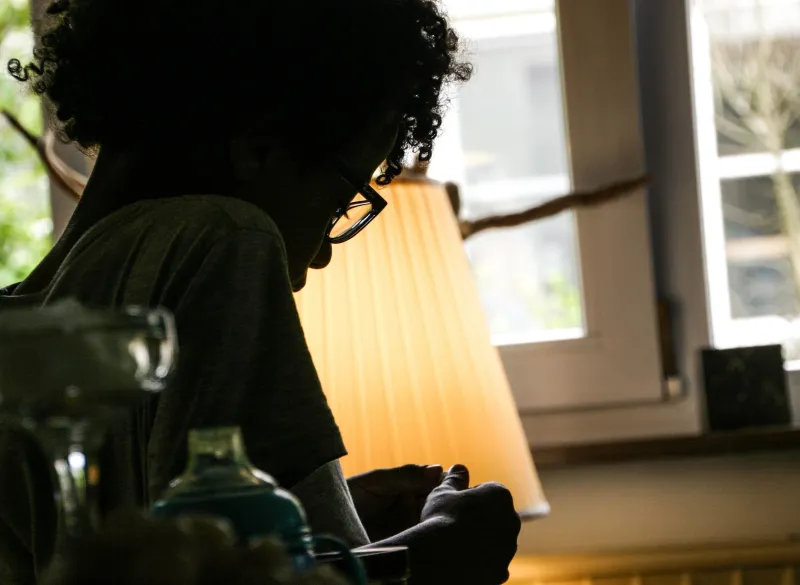
Scroll through recovery content on social media for about ten minutes and you'll see a pretty consistent aesthetic: sunrise runs, gratitude journals, meaningful glances at coffee cups, captions about choosing yourself. The lighting is good. The captions are hopeful. The message is clear — sobriety is hard, but it's beautiful, and you're going to be so glad you did it.
And look, some of that is real. Parts of long-term recovery genuinely are beautiful.
But some of it is curated in a way that's quietly doing damage to people who are three, five, eight years sober and feeling like they missed the memo. Because the version of long-term recovery that shows up in feeds and on podcasts and in memoirs tends to skip over a whole category of experience — the stuff that's too boring or too complicated or too financially embarrassing to package into content.
This is about that stuff.
The Boredom Nobody Talks About
Early recovery has a kind of intensity to it. Everything is new — new identity, new community, new coping skills, new way of moving through the world. There's a lot of adrenaline in reinvention.
A few years in, that intensity fades. And what's left, a lot of the time, is just... life. Ordinary, repetitive, low-stakes life.
For people who used substances partly as a way to manage boredom — and that's a lot of people — this can be genuinely destabilizing. Substances are stimulating. They create drama, urgency, sensation. Sobriety, especially stable sobriety, can feel flat by comparison. Not bad, exactly. Just... quiet in a way that's hard to sit with.
"I thought I'd feel more," said one woman, seven years into recovery from alcohol use disorder, when asked about what surprised her most about long-term sobriety. "I thought getting sober would make me feel everything more intensely. And sometimes it does. But a lot of days it just feels like Tuesday."
This is normal. It's also something the recovery content machine doesn't really know how to sell.
The Financial Wreckage That Doesn't Just Disappear
There's a financial reality to addiction that doesn't get nearly enough airtime in recovery spaces. Sustained substance use is expensive — not just in the direct cost of the substance, but in lost jobs, legal fees, medical debt, burned relationships with people who might have otherwise helped you financially, and years of decisions made while not thinking clearly about the future.
Getting sober doesn't erase any of that. And rebuilding financial stability while also rebuilding every other part of your life is genuinely brutal.
A lot of people in long-term recovery are dealing with credit scores that won't recover for years, student loans they never finished the degrees for, or careers that stalled out during their using years and have been slow to restart. The Instagram version of recovery rarely features someone trying to figure out how to afford therapy while also catching up on back rent.
But that's the reality for a significant portion of people in recovery — and pretending otherwise just makes those people feel like they're doing it wrong.
Relationships Get Complicated in Ways Nobody Prepares You For
Here's something that catches a lot of people off guard: getting sober doesn't automatically fix your relationships. In many cases, it makes them more complicated before it makes them better.
The people around you were also adapting to who you were during active addiction. They developed their own patterns — some protective, some codependent, some just exhausted. When you change, those dynamics have to change too. And not everyone in your life is going to change at the same pace, or in the direction you're hoping for.
Some relationships that you thought would heal don't. Some people who were supportive during early recovery grow distant when you no longer need as much support. Some partners who stayed through the worst of it find that sober you is a different person than who they signed up for — and that's disorienting for everyone.
And then there's the friendships you lost during active addiction — people you hurt, people who gave up on you, people you gave up on yourself. The grief of those losses doesn't always hit in early recovery. Sometimes it arrives years later, when you're stable enough to actually feel it.
"I cried more in year four than I did in year one," said one man, now nine years sober from opioids. "Year one I was just surviving. Year four I started actually processing everything I'd lost. That part was way harder."
The Weird Grief of Getting Your Life Back
This one is hard to explain to people who haven't experienced it, but it's real: getting sober means grieving the person you were, the years you lost, and sometimes even the substance itself.
Addiction is a relationship. A destructive one, but a relationship nonetheless. It structured your time, your identity, your social world. When it's gone — even when you're the one who ended it — there's a loss. And that loss doesn't always feel like relief. Sometimes it just feels like loss.
There's also grief for the version of yourself that might have existed if things had gone differently. The career you might have had. The relationships you might have built. The years between 22 and 34 that looked very different from how you'd planned. That grief is real and it deserves space, even if the recovery content world doesn't really have a template for it.
What Long-Term Recovery Actually Looks Like
It looks like getting to a good therapist when you can afford it, and white-knuckling it when you can't. It looks like relationships that are better than they were and still not as good as you'd hoped. It looks like finding meaning in ordinary things — not because ordinary things are inherently meaningful, but because you've put in the work to build a life where they can be.
It looks like having bad days and not using. And good days and not using. And boring days and not using.
It looks like figuring out, slowly, who you actually are when you're not defined by your addiction or your recovery from it.
That's not a bad story. It's actually a pretty remarkable one. It's just not one that photographs well — and maybe that's okay. Maybe the most honest thing recovery communities could do is make a little more room for the version that doesn't.